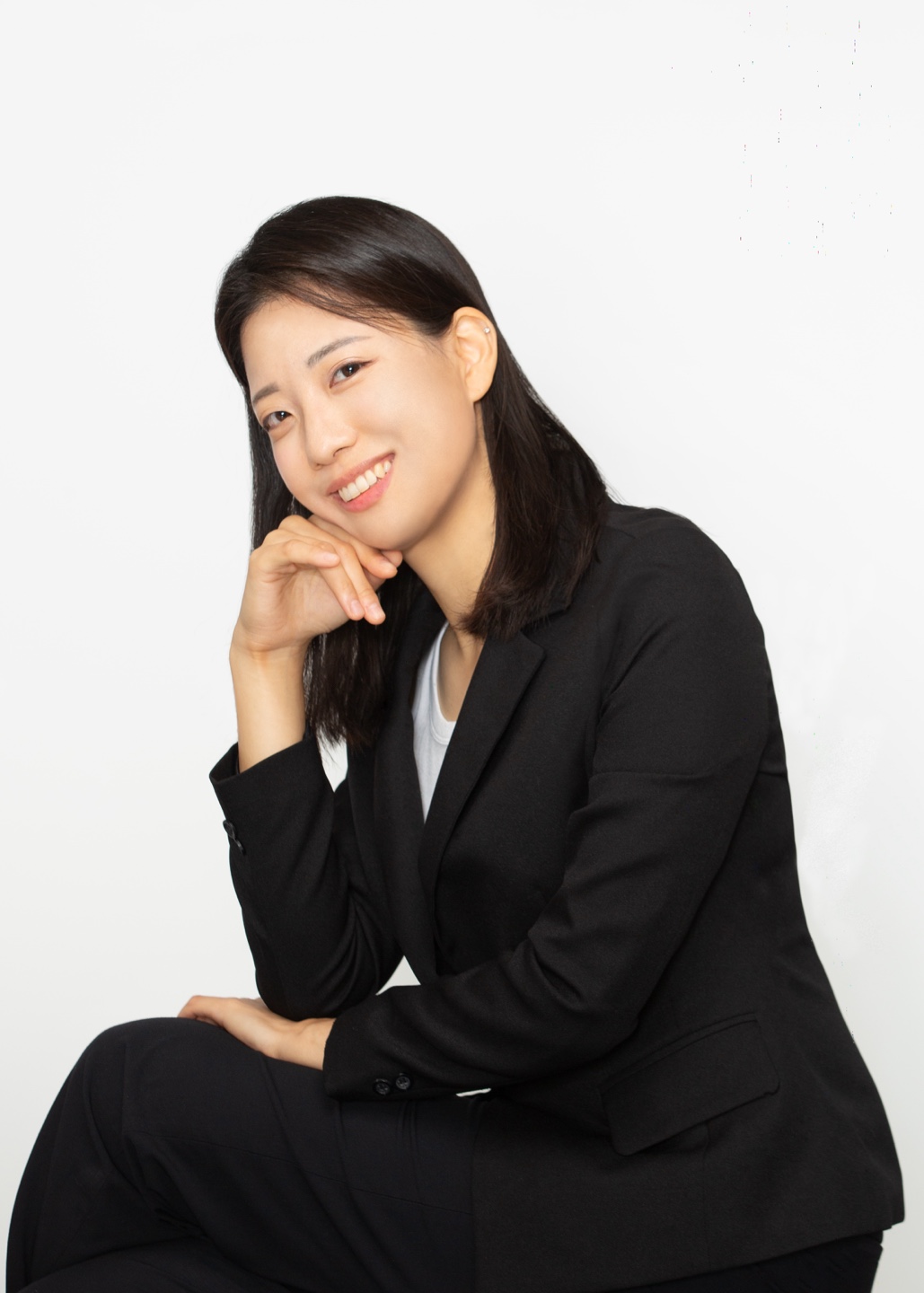
선주형
- 전공
- 커뮤니케이션학
- 전화번호
- 063-270-2958
- 이메일
- j.sun@jbnu.ac.kr
- 연구분야
- 커뮤니케이션 테크놀로지, 인간-AI 상호작용, 미디어심리, 대인 커뮤니케이션
자기소개
학력
-오클라호마대학교 커뮤니케이션 박사 | Ph.D. in Communication, University of Oklahoma (2024)
-조지아대학교 커뮤니케이션 석사 | M.A. in Communication Studies, University of Georgia (2019)
-조지아대학교 커뮤니케이션 석사 | M.A. in Communication Studies, University of Georgia (2019)
경력
-위스콘신대학교-메디슨 (University of Wisconsin-Madison), Communication Arts, 방문 조교수 (Visiting Assistant Professor)
대표업적
연구논문
국제 학술 논문
11. Sun, J., & Norman, W. (2024). “I can’t believe I phubbed up our friendship!”: Examining loneliness, problematic smartphone use, friend phubbing, and life satisfaction, Human Behavior and Emerging Technologies, 5558587, 1-10. https://doi.org/10.1155/1969/5558587
10. Sun, J., & Yoon, D. (2023). Not my fault to phub friends! Individual, social, and technological influences on friend phubbing and its consequences, Human Behavior and Emerging Technologies, 4059010. 1-12. https://doi.org/10.1155/1969/4059010
9. Sun, J., & Miller, C. (2023). Smartphone attachment and self-regulation mediate the influence of avoidant attachment style on phubbing. Human Behavior and Emerging Technologies, 8810293. 1-10. https://doi.org/10.1155/1969/8810293
8. Sun, J., & Lee, S. (2023). “No more COVID-19 messages via social media, please”: The mediating role of COVID-19 message fatigue between information overload, message avoidance, and behavioral intention. Current Psychology, 42(24), 20347-20361. https://doi.org/10.1007/s12144-023-04726-7
7. Sun, J., & Miller, C. (2023). Insecure attachment styles and phubbing: The mediating role of problematic smartphone use. Human Behavior and Emerging Technologies, 4331787. https://doi.org/10.1155/1969/4331787
6. Lee, S. K., & Sun, J. (2023). Testing a theoretical model of trust in human-machine communication: Emotional experience and social presence. Behaviour & Information Technology, 42(16), 2754-2767. https://doi.org/10.1080/0144929X.2022.2145998
5. Sun, J., Lasser, S., & Lee, S. K. (2023). Understanding emojis: Cultural influences in interpretation and choice of emojis. Journal of International and Intercultural Communication, 16(3), 242-261. https://doi.org/10.1080/17513057.2022.2036790
4. Lee, S. K., Sun, J., Jang, S., & Connelly, S. (2022). Misinformation of COVID-19 vaccine and vaccine hesitancy. Scientific Reports, 12, 13681. https://doi.org/10.1038/s41598-022-17430-6
3. Sun, J. (2022). #ProblematicInstaUser: Motivations and the mediating role of fear of missing out among young adults. Current Psychology, 42(17), 14919-14928. https://doi.org/10.1007/s12144-022-02775-y
2. Sun, J., & Lee, S. K. (2022). Flooded with too many messages? Predictors and consequences of instant messaging fatigue. Information Technology & People, 35(7), 2026-2042. https://doi.org/10.1108/ITP-03-2021-0239
1. Sun, J., & Samp, J. A. (2022). “Phubbing is happening to you”: Examining predictors and effects of phubbing behavior in friendships. Behaviour and Information Technology, 41(12), 2691-2704. https://doi.org/10.1080/0144929X.2021.1943711
11. Sun, J., & Norman, W. (2024). “I can’t believe I phubbed up our friendship!”: Examining loneliness, problematic smartphone use, friend phubbing, and life satisfaction, Human Behavior and Emerging Technologies, 5558587, 1-10. https://doi.org/10.1155/1969/5558587
10. Sun, J., & Yoon, D. (2023). Not my fault to phub friends! Individual, social, and technological influences on friend phubbing and its consequences, Human Behavior and Emerging Technologies, 4059010. 1-12. https://doi.org/10.1155/1969/4059010
9. Sun, J., & Miller, C. (2023). Smartphone attachment and self-regulation mediate the influence of avoidant attachment style on phubbing. Human Behavior and Emerging Technologies, 8810293. 1-10. https://doi.org/10.1155/1969/8810293
8. Sun, J., & Lee, S. (2023). “No more COVID-19 messages via social media, please”: The mediating role of COVID-19 message fatigue between information overload, message avoidance, and behavioral intention. Current Psychology, 42(24), 20347-20361. https://doi.org/10.1007/s12144-023-04726-7
7. Sun, J., & Miller, C. (2023). Insecure attachment styles and phubbing: The mediating role of problematic smartphone use. Human Behavior and Emerging Technologies, 4331787. https://doi.org/10.1155/1969/4331787
6. Lee, S. K., & Sun, J. (2023). Testing a theoretical model of trust in human-machine communication: Emotional experience and social presence. Behaviour & Information Technology, 42(16), 2754-2767. https://doi.org/10.1080/0144929X.2022.2145998
5. Sun, J., Lasser, S., & Lee, S. K. (2023). Understanding emojis: Cultural influences in interpretation and choice of emojis. Journal of International and Intercultural Communication, 16(3), 242-261. https://doi.org/10.1080/17513057.2022.2036790
4. Lee, S. K., Sun, J., Jang, S., & Connelly, S. (2022). Misinformation of COVID-19 vaccine and vaccine hesitancy. Scientific Reports, 12, 13681. https://doi.org/10.1038/s41598-022-17430-6
3. Sun, J. (2022). #ProblematicInstaUser: Motivations and the mediating role of fear of missing out among young adults. Current Psychology, 42(17), 14919-14928. https://doi.org/10.1007/s12144-022-02775-y
2. Sun, J., & Lee, S. K. (2022). Flooded with too many messages? Predictors and consequences of instant messaging fatigue. Information Technology & People, 35(7), 2026-2042. https://doi.org/10.1108/ITP-03-2021-0239
1. Sun, J., & Samp, J. A. (2022). “Phubbing is happening to you”: Examining predictors and effects of phubbing behavior in friendships. Behaviour and Information Technology, 41(12), 2691-2704. https://doi.org/10.1080/0144929X.2021.1943711
수상실적
- 전미커뮤니케이션학회 휴먼 커뮤니케이션 & 테크놀로지분야 최우수 논문상 | Top Paper Award, Human Communication and Technology Division, National Communication Association (NCA, 2023)
- 국제커뮤니케이션학회 헬스 커뮤니케이션분야 최우수 학생 주도 논문상 | Top Student-led Paper Award, Health Communication Division, International Communication Association (ICA, 2022)
- 국제커뮤니케이션학회 헬스 커뮤니케이션분야 최우수 학생 주도 논문상 | Top Student-led Paper Award, Health Communication Division, International Communication Association (ICA, 2022)